MarkGregory007 – Flickr

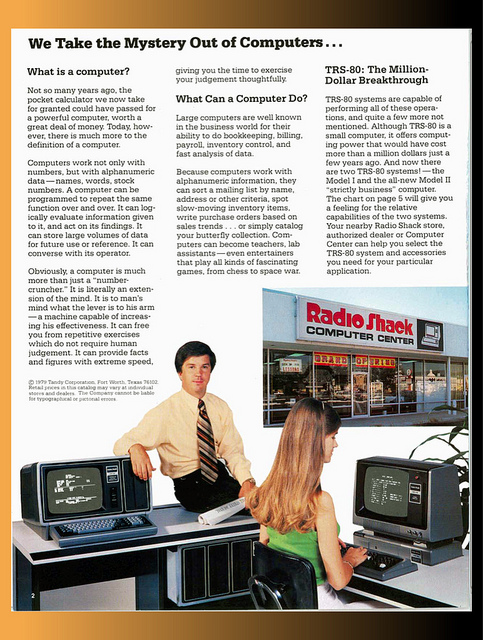
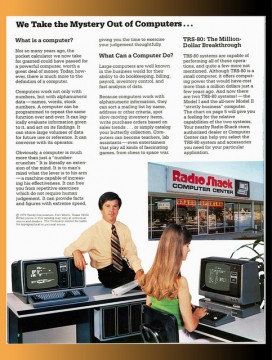
Radio Shack -TRS-80 Advertisement

Did you own one of these? The TRS-80 was introduced in 1977. It was one of the first home computers launched around the same time as the Apple II and Commodore PET. Tandy competitors nicknamed the mostly plastic computer the "Trash-80.” The TRS-80 was developed within the Radio Shack engineering group, based upon several processor chips, SC/MP, PACE, 8008, 8080 and finally the Z80. It used a black & white TV set, made by RCA. The earlier models used a basic called Basic Level 1 (Basic and the operating system fit in 4 KB ROM). I remember visiting the Radio Shack stores in the early days of PC's and spending time admiring the TRS-80. There were always one or two on display in the lobby.


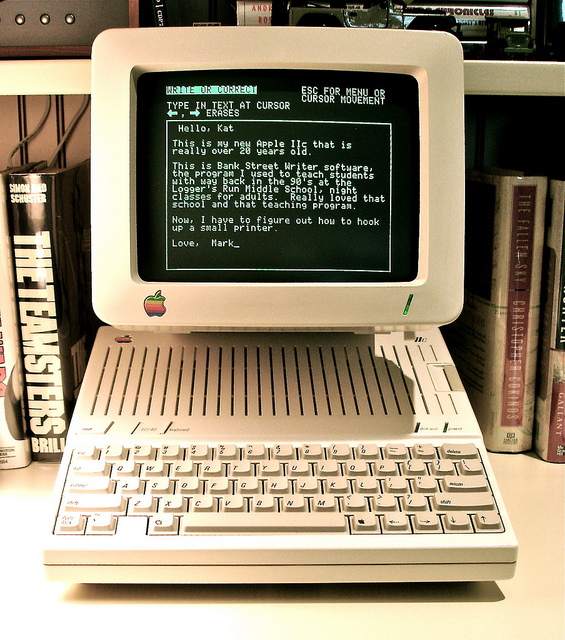
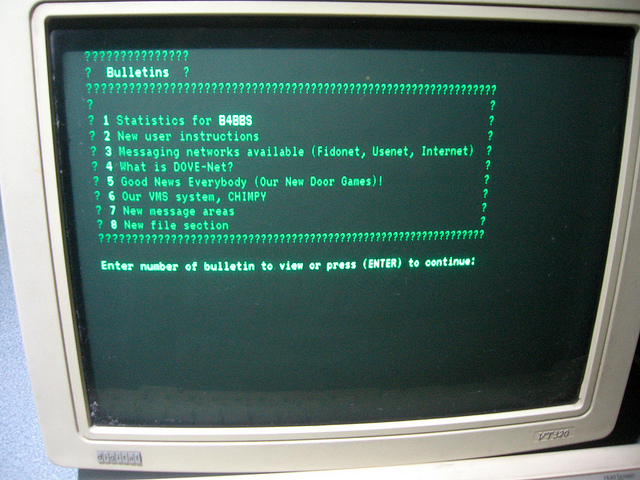
Apple IIc

A vintage Apple computer running Bank Street Writer, a 1980's Broderbund word processing program. From a 1985 two page Apple IIc advertisement: "Why every kid should have an Apple after school Today there are more Apple computers in schools than any other computer. Unfortunately, there are still more kids in school than Apple computers. So innocent youngsters (like your own) may have to fend off packs of bully nerds to get some time on a computer. Which is why it makes very good sense to buy them an Apple IIc personal computer of their very own."

MarkGregory007 – Flickr

nebarnix – Flickr

Bild: nebarnix

IBM100 – System 360

IBM ® System/360 changed the IT industry forever, and it transformed how much of the world’s work gets done even today
Bild: IBM

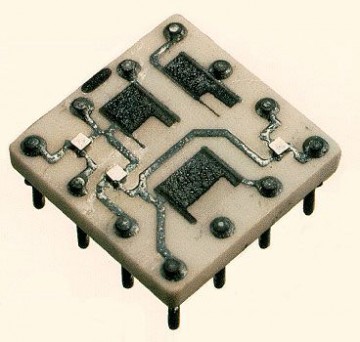
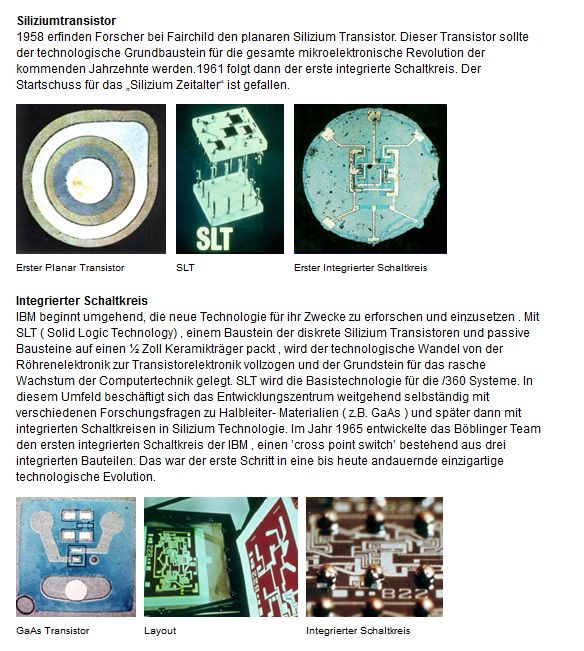
Solid Logic Technology (SLT), introduced in 1964 by IBM in System/360

The Solid Logic Technology (SLT), introduced in 1964 by IBM in System/360, was the industry's first high-volume, automatic, microminiature production of semiconductor circuits. Mounted on 1/2-inch-square ceramic modules seen here, the SLT circuits were denser, faster and required less power than the previous generation of transistor technology.

Card Reader Accessibility

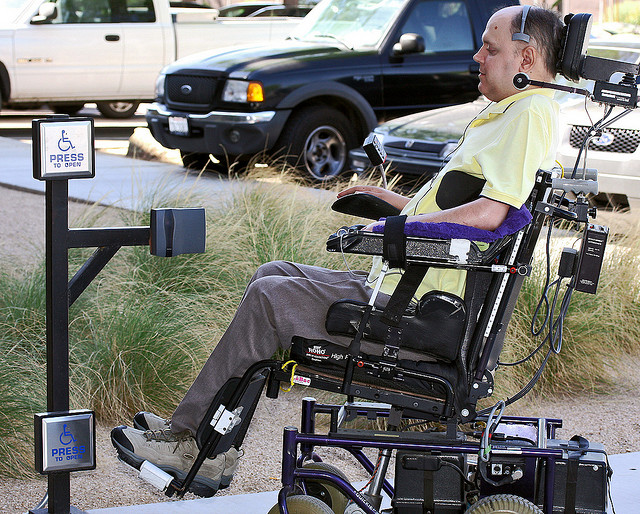
My friend Dan uses the employee entrance with an automatic door and card reader access. Before the card reader was installed, he could roll up to the post and hit the foot switch with his foot rest for the door to open. Now, a card reader was installed (see the black box posted below the hand switch). His employee ID card has a microchip in it. When he rolls near the card reader, the card reader reads his card and sends the signal to the door to open. This system was installed after Dan's advocacy for accessibility. It's not hard to do, and not expensive - just takes the willingness to look at new ideas.
Bild: cobalt123

Progress

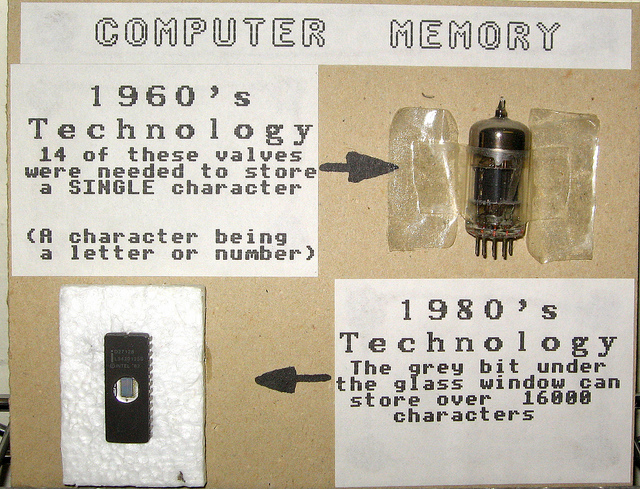
Thermionic valve (vacuum tube) vs. integrated circuit (microchip)
Bild: Timitrius